
News & updates
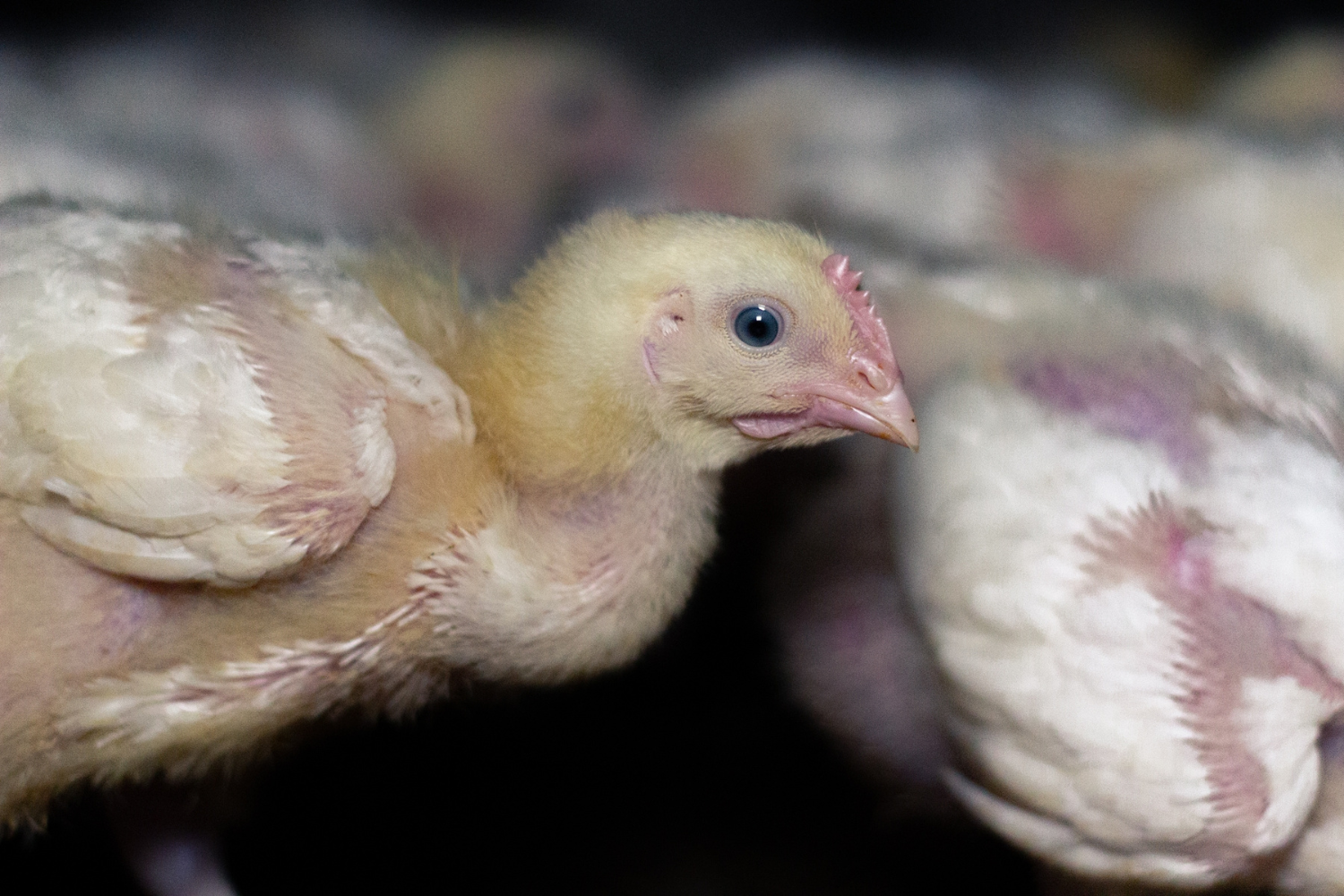
What does the new RSPCA Australia Standard mean for the Better Chicken Commitment?
The 2026 RSPCA Australia Standard includes some significant animal welfare improvements – but are they enough to meet the Better Chicken Commitment?
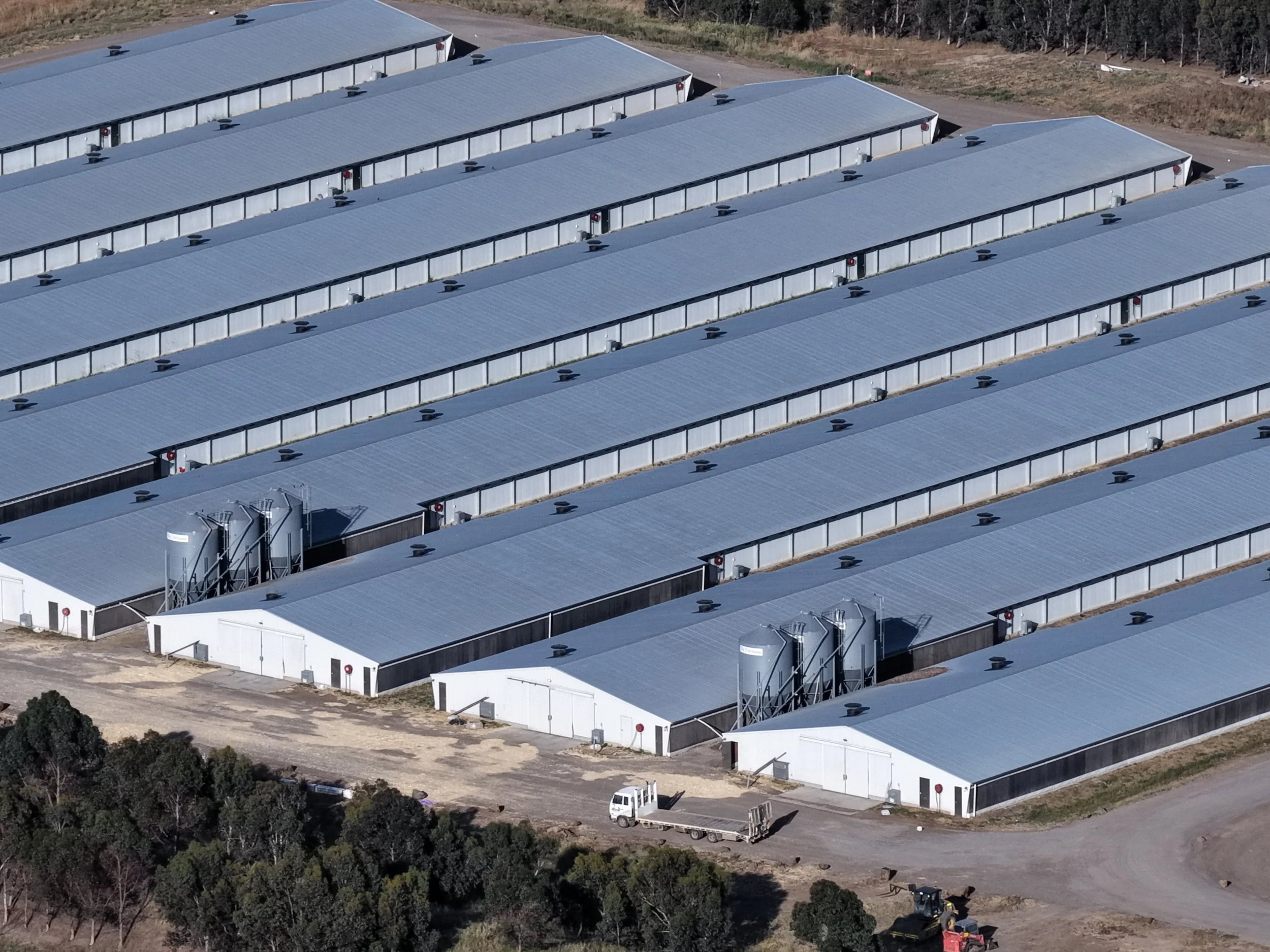
Who owns Australia’s chickens?
In Australia, chicken farming works differently to other kinds of animal agriculture. How does the chicken meat industry work – and who holds the power?

Stepping up to higher standards: can a tiered system work?
In Australia, most animal welfare labels are currently binary schemes – either you get the label, or you don’t. Could a tiered system help the transition to the Better Chicken Commitment?

Why food business commitments?
Focussing on businesses is one of the most powerful ways to create change for animals. Here are 7 reasons why food business commitments are the key to getting better lives for chickens.
Navigating supermarket labels
It can be tricky to make informed choices at the supermarket. Especially when it’s not obvious what different labels and marketing terms on products actually mean.
Let’s unpack the jargon!
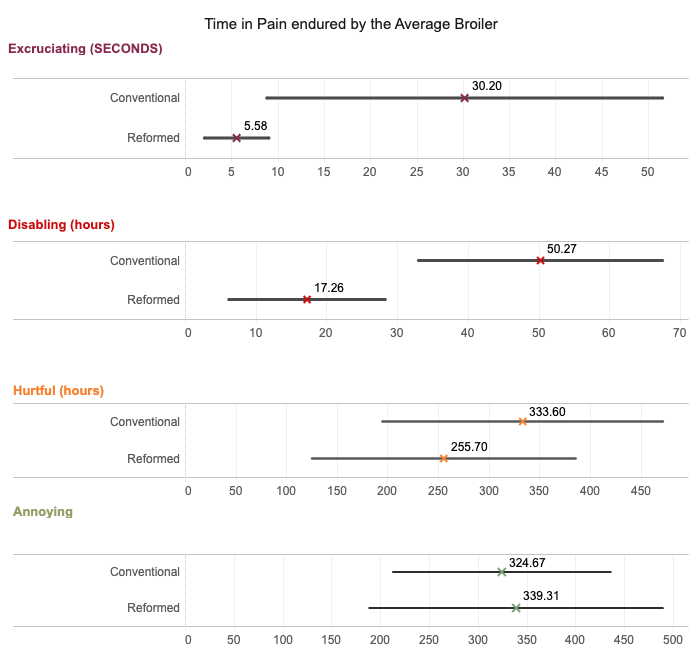
How to measure suffering? The Welfare Footprint Project investigates
The Welfare Footprint Institute investigated the suffering experienced by different commercial breeds of chickens used in the meat industry. They specifically compared conventional fast-growing breeds to slower growing Better Chicken Commitment compliant breeds.
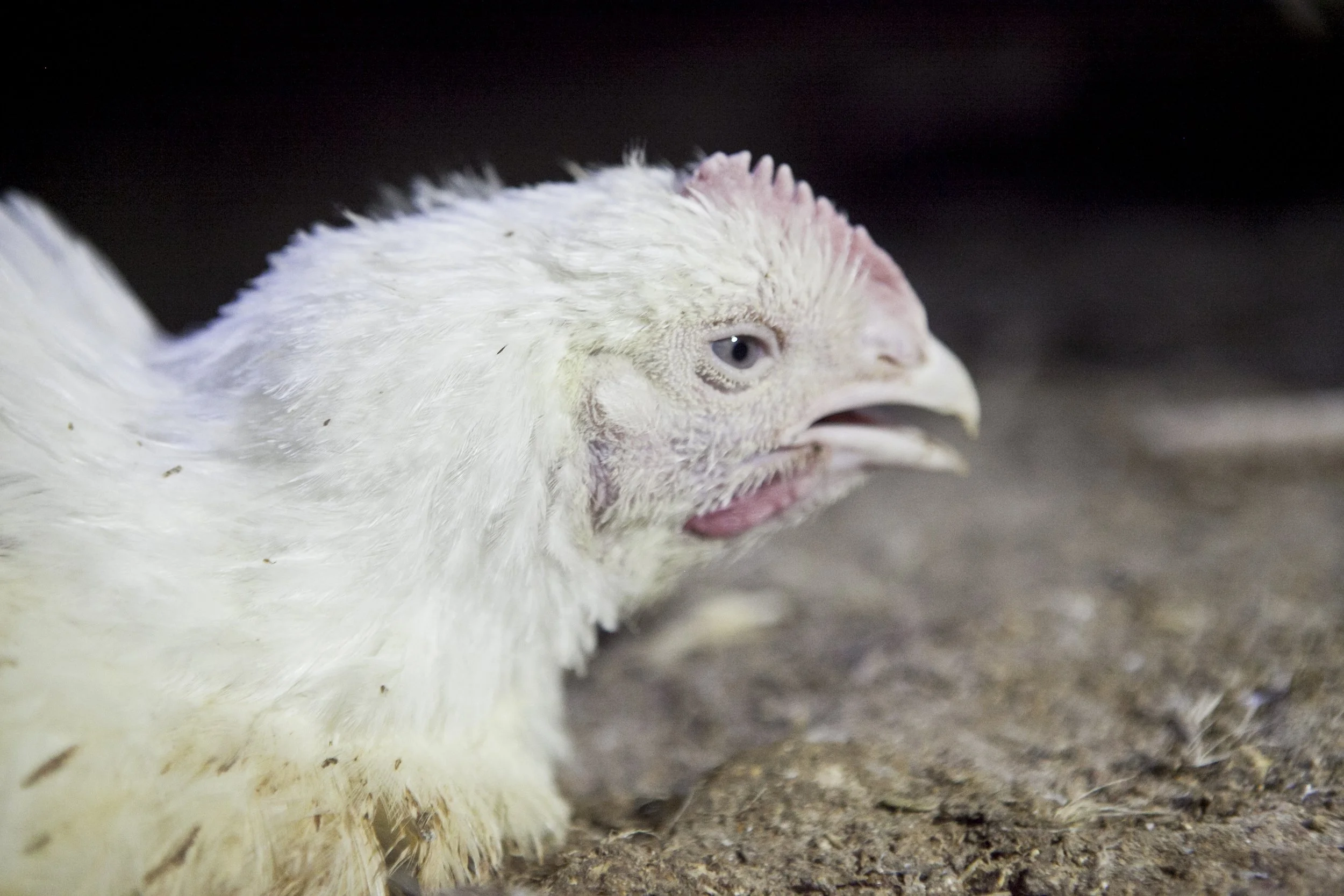
Survival of the sickest
It can be more profitable to put up with a relatively high percentage of birds dying early from health problems, compared to the cost and effort involved in preventing these problems.
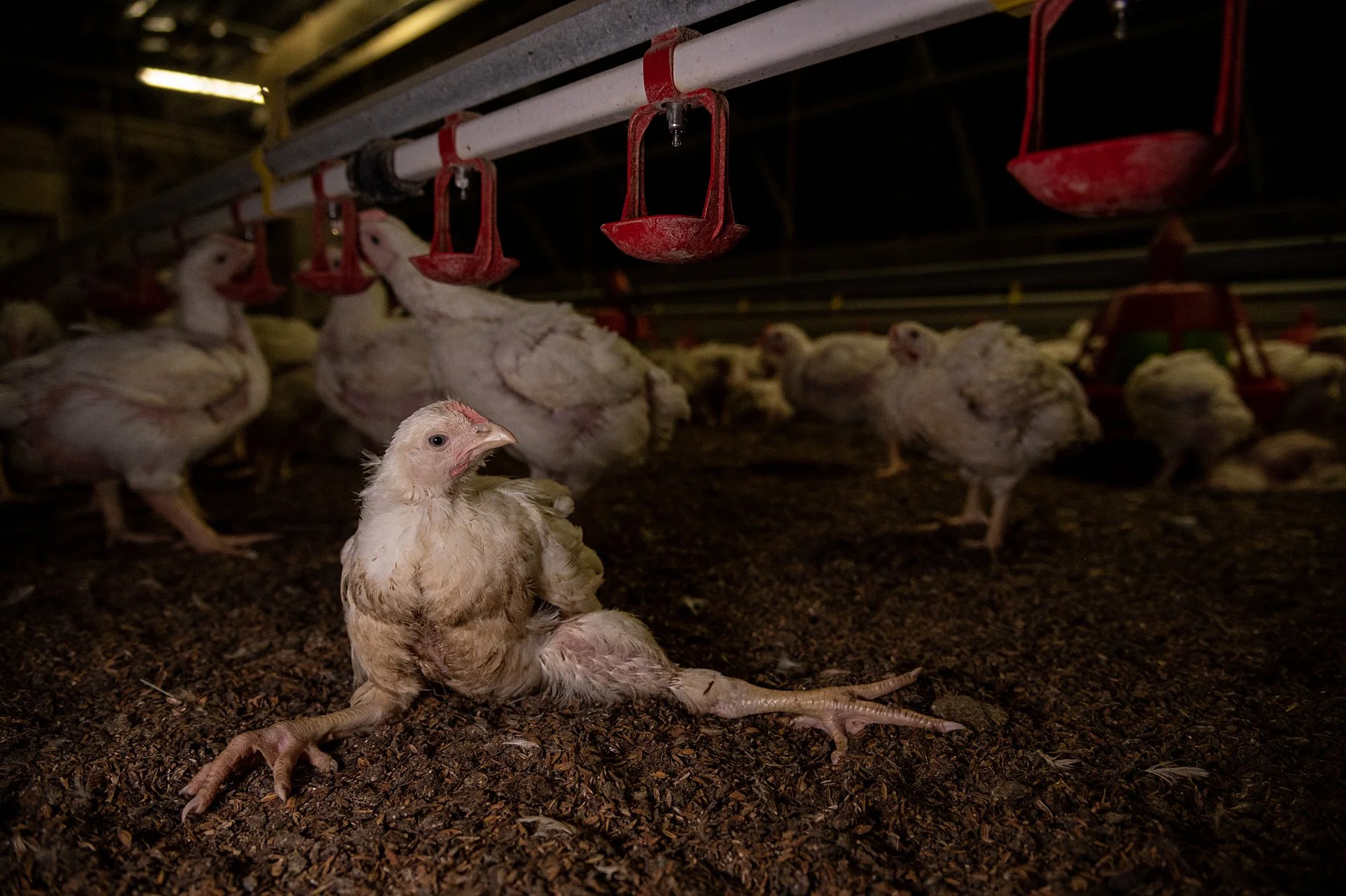
Chickens trapped in their own bodies
Walking problems are one of the easiest animal welfare issues to spot.
Let’s explore some of the ways fast-growing chicken breeds struggle to move under their own weight.
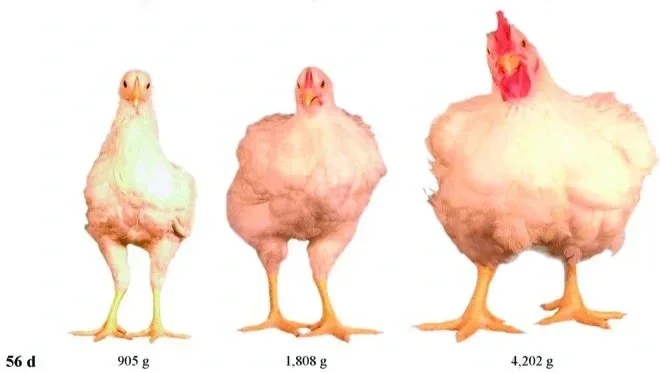
How humans invented the modern meat chicken
Meat chickens, often referred to as “broilers” are completely different breeds to the chickens raised for egg laying. Find out why chickens of today look so different from your grandparents' chickens.