
Norway phasing out fast-growing chickens by 2027
Norway is now on track to be the world’s first country to phase out inhumane, fast-growing chicken breeds by 2027.
This is an incredible accomplishment even by Norway’s exceptional track record for animal welfare.
But how did they get here? And what lessons could we learn to see how Australia could follow in their footsteps?
Unexpected allies: animal welfare advocates & a major chicken producer
In 2015, major chicken producer Norsk Kylling and the Norwegian Animal Protection Alliance (Dyrevernalliansen) began a collaboration that set the stage for historic change.
Norsk Kylling rebuilt their slaughterhouse to remove its live shackling and electrical water bath stunning system, replacing it with more humane gas stunning.
“Norway has shown us that when companies really want to, they can make massive improvements to their animal welfare standards within just a few years. ”
In 2018, they introduced a slower growing breed. Notably, this is just two years after the Better Chicken Commitment was publicly launched as an animal welfare framework – meaning that they were ready to invest in a switch to higher animal welfare standards right from the get-go.
In 2022, Norsk Kylling reduced stocking densities and introduced enrichments and natural light to their grower sheds for all chickens. Due to their proximity to the arctic pole, they can’t provide natural daylight year-round, so they installed lighting that uses daylight spectrum bulbs to make up for it. They also have blackout blinds installed to ensure chickens get a minimum eight hours of total darkness each day for rest, as during Norwegian summers the sun barely sets at all.
With those final changes, Norsk Kylling became fully compliant with the Better Chicken Commitment.
Rapid change
What makes Norsk Kylling’s groundbreaking leadership even more impressive, is that in 2014 they were ranked the worst chicken producer in Norway by animal welfare advocates.
Company leadership took this as a challenge to do better – and a decade later were winning international awards for their animal welfare leadership.
The story of Norsk Kylling’s trailblazing, rapid rise to become a global leader for chicken welfare shows that motivation is the only real barrier to change.
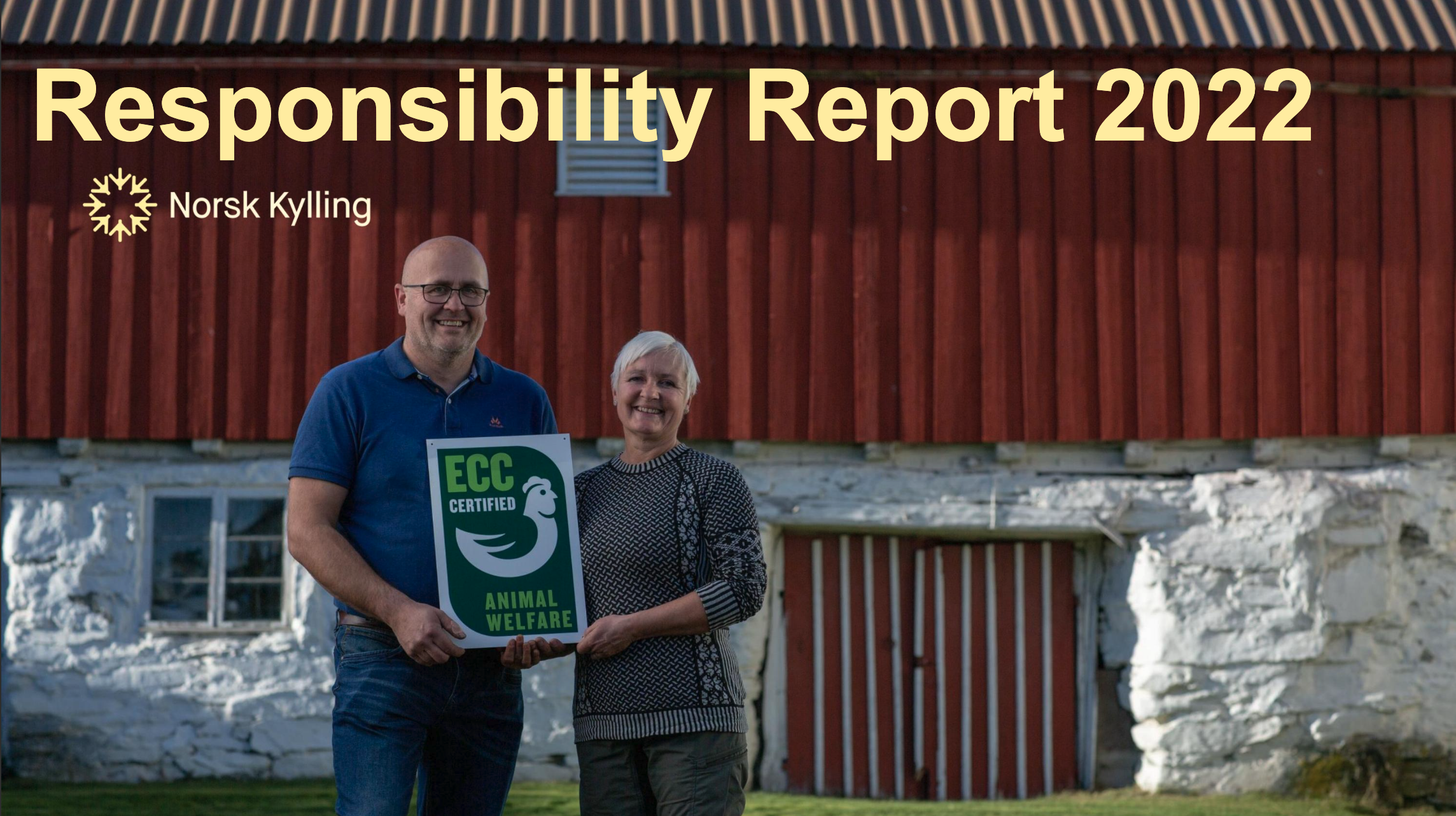
In 2022, Norsk Kylling completed its transition to be fully compliant with the Better Chicken Commitment.
A tipping point
Norsk Kylling’s investment in animal welfare raised the bar for all Norwegian chicken companies, as well as showing the world that the BCC is achievable. What’s more, they did it without raising retail prices.
While raising animal welfare standards increased Norsk Kylling’s production costs, this is at least partially (if not fully) offset by increased efficiency. Far fewer chickens are dying prematurely, and far fewer carcasses are rejected due to myopathies.
Since transitioning to BCC standards, Norsk Kylling has reported:
39% lower daily mortality
79% lower deaths during transport
80% lower incidence of ascites (a heart condition that can lead to fatal heart attacks)
As a result, the company is growing 3 million fewer chickens each year to produce the same amount of meat - and those chickens live far better lives.
Animal advocacy organisations next set their sights on Nortura, Norway’s largest chicken producer. They campaigned for retailers and restaurant chains to sign the Better Chicken Commitment to continue growing demand.
Anima International has spent the last six years in constant dialogue with the industry and commercial chicken buyers, behind the scenes of their more public campaign activity.
Anima coined the term “turbokylling” (meaning “turbochicken” in both Norwegian and Danish), which became so widely used in the public discourse that it’s now in official dictionaries.
From major producers to regional arms of multinational food corporations to everyday consumers – Norwegians are enthusiastically jumping on board with the Better Chicken Commitment.
The phase-out
Last month, the Norwegian chicken meat industry announced a groundbreaking commitment – to phase out all fast-growing chicken breeds by 2027. The joint statement from the industry association for meat producers (KLF) and Nortura is a globally historic milestone for farmed animal welfare.
Currently, around 60% of chickens in Norway are fast-growing breeds. By 2027, there will be 0%.
Beyond Norway
The success of Norway has thrown into stark contrast how other wealthy nations like the UK and Australia lag far behind. People want higher animal welfare standards – but companies are falling behind public expectations.
Norway has shown us that when companies really want to, they can make massive improvements to their animal welfare standards within just a few years.
So, who will be the first Australian producer to rise above the rest?
It’s time for better chicken standards
Right now, the Australian chicken industry is failing chickens and consumers.
Join thousands of Australians demanding better.
Already signed up? Check out our action hub to find out more ways to help chickens.